Explore our collection of articles and resources on mental health. Stay informed and learn how to take care of your mental well-being.
Understanding and Managing Anxiety

Anxiety is one of the most common mental health concerns — and it is more treatable than most people think. Learn what anxiety feels like, why it happens, and simple steps that can help.
Read More
Anxiety can show up in many ways, from constant worry to physical tension. Common symptoms include:
- Excessive or uncontrollable worry
- Restlessness or feeling on edge
- Difficulty concentrating
- Disturbed or poor-quality sleep
A few helpful things you can do on your own:
- Practice mindfulness or slow breathing exercises
- Stay physically active — even a short daily walk helps
- Limit caffeine and screen time before bed
If anxiety is interfering with your daily life, speaking with a mental health professional can make a real difference.
Holistic Approaches to Depression

Depression is more than just feeling sad — it affects how you think, sleep, eat, and experience everyday life. Discover how a holistic approach can support your recovery alongside professional care.
Read More
Depression affects both the mind and body. Some common signs to watch for:
- Persistent sadness, emptiness, or hopelessness
- Loss of interest in activities you once enjoyed
- Changes in appetite or weight
- Fatigue, low energy, or slowed thinking
Alongside professional treatment, these lifestyle changes can meaningfully support recovery:
- Regular physical activity — even gentle movement improves mood
- A balanced, nourishing diet that supports brain health
- Consistent sleep routines
- Stress-reduction practices like mindfulness or breathing exercises
Depression is highly treatable. If you or someone you know has been feeling this way for more than two weeks, reaching out to a mental health professional is an important first step.
Effective Stress Management Techniques

A little stress is normal — but when it becomes chronic, it takes a real toll on your mind and body. The good news is that small, consistent habits can make a significant difference.
Read More
Chronic stress can affect sleep, concentration, immunity, and mood over time. Here are some techniques that genuinely help:
- Mindfulness meditation — even 10 minutes a day can calm an overactive mind
- Regular physical exercise — releases natural stress-relieving chemicals in the brain
- Adequate sleep and balanced nutrition — your body manages stress far better when rested and nourished
- Time management and prioritisation — breaking tasks into smaller steps reduces overwhelm
- Setting boundaries — learning to say no protects your mental energy
If stress feels unmanageable despite these efforts, it may be a sign of something deeper worth exploring with a mental health professional.
Understanding Sleep Disorders

Poor sleep is not just tiredness — it affects your mood, memory, concentration, and long-term health. Understanding what is disrupting your sleep is the first step toward fixing it.
Read More
Some of the most common sleep disorders include insomnia, sleep apnea, and restless leg syndrome. Watch for these signs:
- Difficulty falling asleep or staying asleep
- Waking up frequently during the night
- Feeling unrefreshed even after a full night's sleep
- Excessive daytime sleepiness or difficulty focusing
Simple habits that can meaningfully improve sleep quality:
- Maintain a consistent sleep and wake time — even on weekends
- Create a calm, dark, and cool sleep environment
- Avoid caffeine and screens at least an hour before bed
- Wind down with a relaxing pre-sleep routine like reading or light stretching
Sleep disorders are often connected to anxiety, depression, or other mental health conditions. If poor sleep is affecting your daily life, a professional evaluation can uncover the root cause.
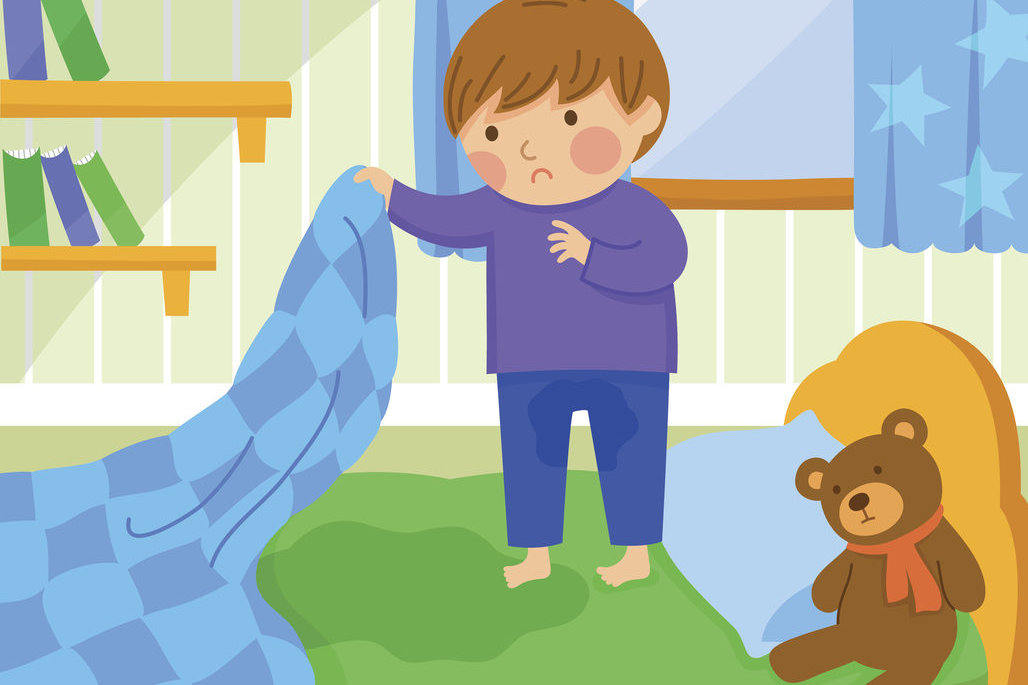
Child Psychiatry: Understanding Children's Mental Health

Children experience mental health challenges too — and identifying them early makes a lasting difference. Learn about common childhood conditions and how parents can create a supportive environment at home.
Read More
Some of the most common childhood mental health conditions include ADHD, anxiety disorders, and behavioural disorders. Signs parents often notice first:
- Difficulty paying attention or sitting still
- Frequent tantrums, aggression, or defiance beyond typical age behaviour
- Excessive worry, clinginess, or avoidance of school
- Sudden changes in mood, appetite, or social withdrawal
Ways parents and caregivers can meaningfully support a child's mental well-being:
- Encourage regular physical activity and outdoor play
- Maintain consistent sleep and daily routines — children thrive on predictability
- Teach simple coping skills like deep breathing or naming emotions
- Stay connected — open, non-judgmental conversations build trust and early disclosure
Early intervention makes a significant difference in outcomes. If you are concerned about your child's behaviour or emotional well-being, a child psychiatry evaluation can provide clarity and a clear path forward.
Understanding Obsessive-Compulsive Disorder (OCD)

Obsessive-Compulsive Disorder (OCD) is a mental health condition characterized by distressing intrusive thoughts and repetitive behaviors. Learn about OCD symptoms and holistic management strategies.
Read More
OCD involves a cycle of obsessions (unwanted, anxiety-inducing thoughts) and compulsions (repetitive actions performed to ease that distress). Common symptoms include:
- Intense fear of contamination or germs
- Needing things to be perfectly orderly and symmetrical
- Compulsive cleaning, handwashing, or arranging
- Repeatedly checking locks, switches, or appliances
Effective management requires a personalized, holistic approach. Integrating individualized homoeopathic remedies with lifestyle modifications and behavioral therapies can help manage OCD symptoms, reduce daily anxiety, and improve overall mental well-being.